The 14 Best Poetry Books to Learn How to Write Poetry
We’ve compiled the ultimate list of the 14 essential poetry craft books every poet should read.
If you want to learn how to write poetry or strengthen your craft as a poet, one of the most transformative things you can do is study the writers who spent their lives thinking deeply about language, attention, and emotion.
The books below can help form an unofficial curriculum — a private MFA in poetic thinking — offering different entry points into voice, meaning, and, one can hope, poetic mastery.
Whether you're just starting, returning to, or deeply embedded in your poetic practice, these books will deepen your understanding of how poems work and inspire you to write with greater clarity, courage, and imagination.
1. A Poetry Handbook — Mary Oliver

A Poetry Handbook
Mary Oliver’s essential guide to the craft of poetry—clear, generous, and deeply inspiring for poets at every level.
Buy on Amazon →Mary Oliver offers one of the clearest, most generous introductions to the mechanics of poetry. She breaks down sound, imagery, lineation, and form with remarkable simplicity, and never flattens the mystery out of the art.
Why read it: It’s a perfect foundation for poets at any level, especially if you want to understand why a poem moves a reader, not just how to build one.
2. The Poetry Home Repair Manual — Ted Kooser
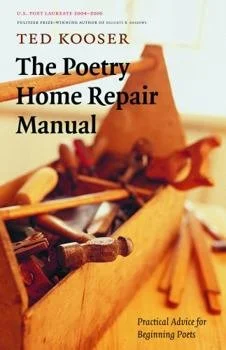
The Poetry Home Repair Manual
Ted Kooser’s warm, practical guide to writing clear, compelling poetry that resonates with everyday readers.
Buy on Amazon →Ted Kooser brings a friendly, practical perspective to writing poems people genuinely want to read. His advice is accessible, grounded, and deeply useful, especially during revision.
Why read it: Kooser helps you identify what belongs in a poem — and what distracts from its emotional center.
3. Letters to a Young Poet — Rainer Maria Rilke

Letters to a Young Poet
Rilke’s timeless reflections on creativity, solitude, and the inner life of the artist—an essential book for every poet.
Buy on Amazon →These letters have guided generations of creatives. Rilke focuses not on technique necessarily but on the inner life of the artist — solitude, trust, patience, and the courage required to create meaningful art.
Why read it: It reconnects you to the heart of why you write and encourages a deeper honesty in your work.
4. Ordinary Genius — Kim Addonizio
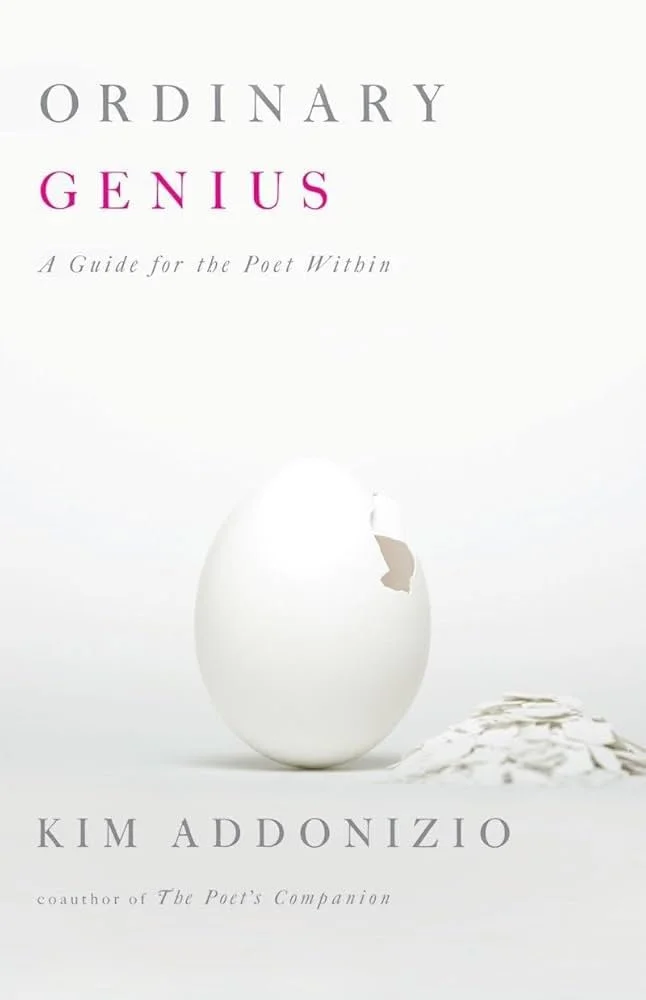
Ordinary Genius
A bold and energizing guide full of practical exercises, craft guidance, and creative courage for poets at all levels.
Buy on Amazon →Addonizio combines rigorous craft instruction with bold, energizing exercises. This is a book for poets who want inspiration, structure, and prompts.
Why read it: It helps you write more bravely and experiment with sound, image, and voice.
5. A Primer for Poets and Readers of Poetry — Gregory Orr

A Primer for Poets and Readers of Poetry
Gregory Orr explores poetry as a form of emotional ordering and transformation—deeply clarifying and beautifully written.
Buy on Amazon →Gregory Orr explores poetry as a way of making emotional experience bearable and meaningful. His framework of “four temperaments” offers a powerful way to understand your own artistic tendencies.
Why read it: It connects craft to emotional truth and helps you write poems that feel necessary.
6. The Art of Attention: A Poet’s Eye — Donald Revell
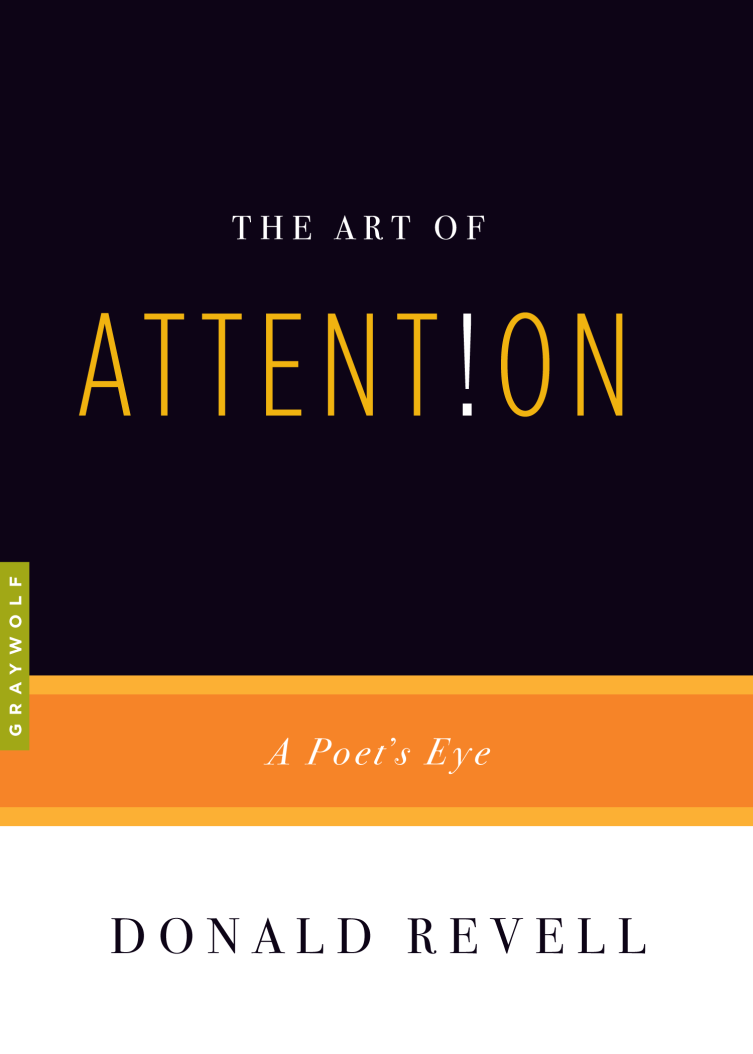
The Art of Attention
A meditative exploration of how perception, silence, and presence shape the poetic imagination.
Buy on Amazon →Revell invites poets to see the world with renewed clarity. His meditations on attention, silence, and perception reshape how you witness the world — and how you translate it into language.
Why read it: It’s a beautiful reminder that poems begin long before the page: they begin with attention.
7. Nine Gates: Entering the Mind of Poetry — Jane Hirshfield

Nine Gates: Entering the Mind of Poetry
A profound and philosophical exploration of poetic consciousness and the depth of imagination.
Buy on Amazon →A modern classic of poetic thought. Hirshfield writes with philosophical, spiritual, and artistic insight about how poems expand consciousness.
Why read it: It deepens your understanding of metaphor, imagination, and the interior movement of a poem.
8. Ten Windows: How Great Poems Transform the World — Jane Hirshfield

Ten Windows: How Great Poems Transform the World
Hirshfield examines how poems shift perception and open new ways of understanding experience.
Buy on Amazon →In this book, Hirschfield explores how poems open up new ways of seeing and understanding the world.
Why read it: It teaches you not just how to write poems, but how to read them with an awakened, discerning eye.
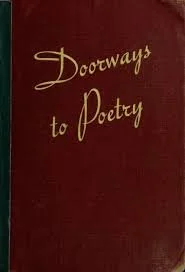
9. Doorways to Poetry — Louis Untermeyer
Doorways to Poetry
A classic, clear introduction to poetic form, tradition, and appreciation for readers and writers alike.
Buy on Amazon →A timeless introduction to poetic forms, traditions, and history. Untermeyer’s voice makes classic poetry feel alive and relevant.
Why read it: It strengthens your relationship with the lineage of poetry, which in turn enriches your own craft.
10. Proofs and Theories — Louise Glück

Proofs and Theories
Sharp, insightful essays on poetic ambition, myth, voice, and the artistic life from a Nobel Laureate.
Buy on Amazon →Louise Glück’s essays are sharp, articulate, and essential for anyone exploring contemporary poetics. She dissects voice, ambition, myth, and artistic responsibility with a poet’s precision.
Why read it: It offers a serious, intellectually rigorous perspective on what it means to be a poet today.
11. In Search of Duende — Federico García Lorca

In Search of Duende
Lorca’s iconic exploration of duende—the dark, earthy force that fuels powerful, emotionally charged art.
Buy on Amazon →Lorca’s writings on duende — the dark, earthbound force of creative intensity — are essential for poets drawn to emotional depth and artistic risk.
Why read it: It gives language to the mysterious, magnetic force behind transformative art.
12. The Narrow Road to the Deep North — Matsuo Bashō

The Narrow Road to the Deep North
Bashō weaves haiku and travel reflections into a contemplative journey through landscape and self.
Buy on Amazon →Part travel diary, part poetic meditation, Bashō’s work demonstrates how simplicity and observation can create profound resonance.
Why read it: It teaches stillness, restraint, and the spiritual roots of haiku.
13. That Wondrous Pattern — Kathleen Raine

That Wondrous Pattern: Essays on Poetry and Poets
Raine explores symbolism, myth, and visionary imagination—revealing poetry’s deeper metaphysical roots.
Buy on Amazon →Raine writes about symbolism, myth, and the visionary traditions that run through poetry. Her essays open a window into poetry as a metaphysical art, and she champions Romantic thinking.
Why read it: It expands your imaginative and symbolic understanding of poetic language.
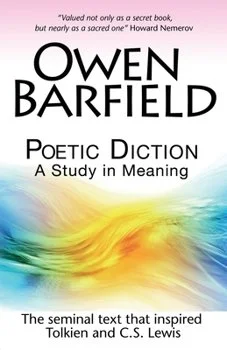
14. Poetic Diction: A Study in Meaning — Owen Barfield
Poetic Diction: A Study in Meaning
Barfield’s influential study on language, metaphor, and the evolution of meaning—essential for poets and thinkers.
Buy on Amazon →Barfield examines how language evolves, how metaphor shapes thought, and why poetry reveals truths ordinary language cannot. A key quote I return to again and again is that good poetry causes “a felt change in consciousness.”
Why read it: It fundamentally changes the way you think about words, meaning, and the purpose of poetic language.
Build Your Poetry Craft Library
When you purchase through the affiliate links above, a small portion comes back to us at no additional cost to you. It directly supports our podcast, workshops, and educational videos — and helps us continue creating resources for poets.
If you're ready to deepen your writing practice, you can explore any of these books through our curated affiliate links. Every purchase helps support The Poetry Vessel and the work we create for poets worldwide.
Browse all recommended books on Amazon:
Want an in-depth review of each book?
Click above to watch our 20 minute video on the 14 best books to learn how to write poetry, for beginners and experts alike.
Ready to take the next step in your writing?
We’re building a long-term platform for poets, creatives, and anyone who wants to write with depth and purpose. Stay connected with us by joining our mailing list below — we’d love to have you in the community.
FTC DISCLAIMER:
Some of the links above may be affiliate links, which means that if you click on them, I may receive a small commission. As an Amazon Associate, I earn from qualifying purchases. The commission is paid by the retailers, at no cost to you, and this helps to support The Poetry Vessel, LLC and its missions. Thank you!