
How to Write Poetry by Learning to Listen: The Secret to Deeper Writing
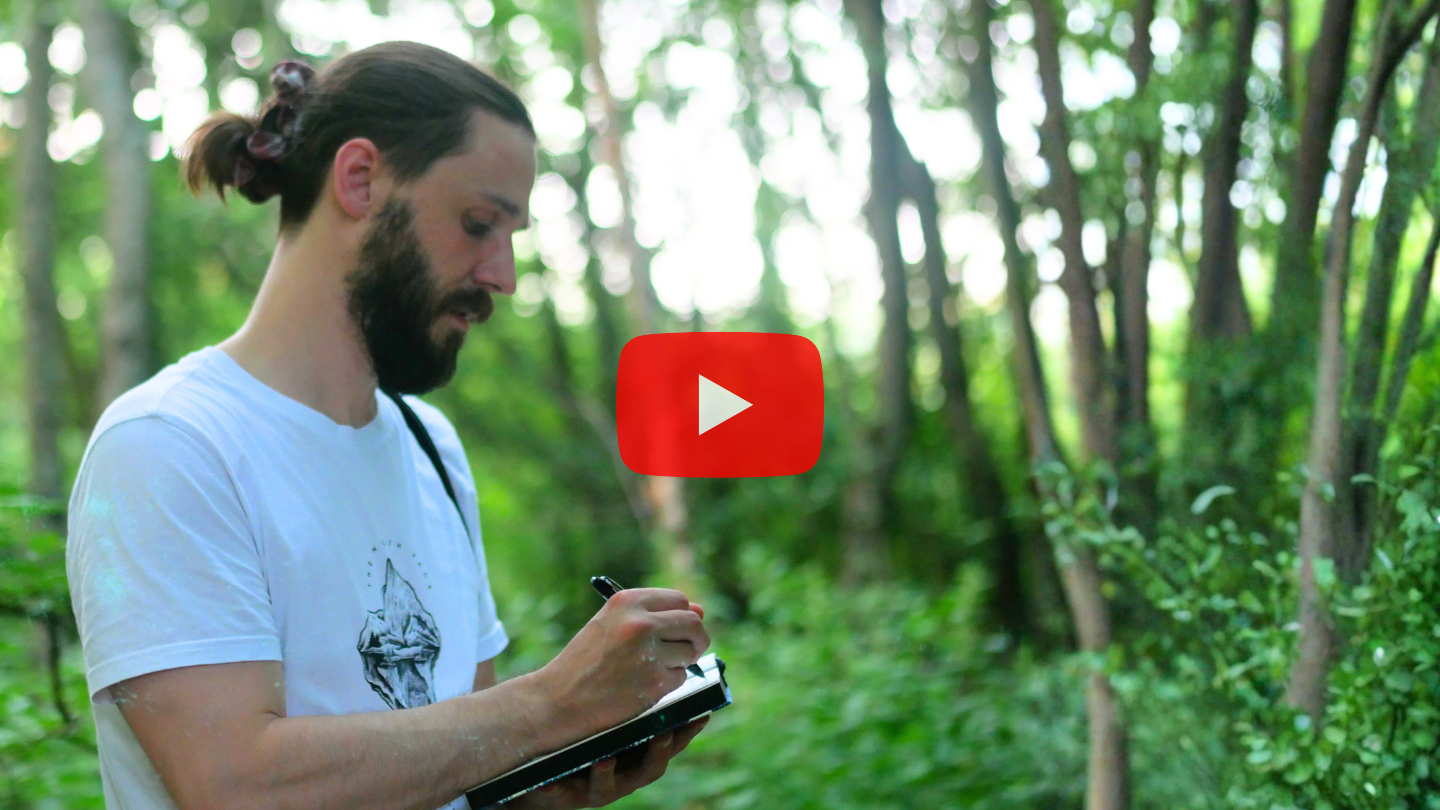
Click image for our 12-min How to Write Better Poetry By Listening video on The Poetry Vessel YouTube Channel
I've spent a lifetime paying attention to when other people's attention drifts when I or someone else is speaking with them.
Some of my sensitivity to this stems from growing up in a loud household with four siblings, all close in age, competing for my parents' attention. If you weren't quick-witted enough to speak in short, sharp, and darkly humorous sentences, the family's attention would drift to the next (often hilarious) quip. Of course, this armed me with the ability to quip well, but harmed my ability to tell stories, for fear of losing my conversation partner(s) attention.
This is also, I'm sure, one of my main psychological drivers for writing (and, later in life, for making videos). These technologies allow me to expand on my thoughts and ideas, work out my stance on issues, and simply be heard without fear of losing attention or being interrupted.
My own listening is cultivated in the work I do, especially in hosting a poetry podcast, which provides me a platform (and a good excuse!) to listen to others for extended periods, hear their stories, and return to them after filming. To research our guest podcasts for The Poetry Vessel, I get to read and immerse myself in their unique words and use of language. In many senses, to read a poem is to listen to what lurks in the depths of a person.
Why Poetic Dialogue and Connection Matter for Healthy Communication
One of my aims with The Poetry Vessel is to demonstrate healthy communication in the hope that it fosters more of it in the world. And one of my deepest beliefs is that a poetry practice can help healthy communication through interpersonal relationships, community, and more. One reason is that poetic dialogue stimulates our default mode network (DMN), which National Bestselling Author of How Words Change Your Brain, Mark Waldman (with whom I made the online course, “How Poetry Changes Your Brain”), calls the brain's "imagination centers." Using the DMN helps bring us into deeper resonance with one another.
So poetry — an art form in which the maker uses language that pays particular attention to poetic techniques like rhythm, imagery, and metaphor, and is shared through the melodies of breath — makes human relating more profound. It strengthens community ties, takes us from surface appearances into the deep well of others, and creates spaces for a more radical (as in, rooted) understanding of the human experience.
This doesn't mean we never cause offense or tension; part of artmaking is to stimulate conversation, ruffle feathers, and take risks, but it does mean people have the space in another's consciousness to become more nuanced and complex.
The Problem with Conversational Dynamics and Poor Listening Skills
So, a big problem is that so many people don't listen well: they spend a lot of time pretending to listen, more focused on what they want to say than on what is being said to them. For some people — perhaps because they haven't been listened to much themselves — take full advantage of the ears of people who do listen, who ask follow-up questions, who demonstrate care for their being in the world. Many people who get overexcited by someone else's open ears tend to dominate conversations rather than share the listening space. This can be incredibly frustrating.
But if everyone worked on their listening skills, perhaps this wouldn't feel like such a scarce resource. All this takes is a bit of curiosity, a step back, and an unspoken agreement to attend to someone else's words. When we attend to others, we can better attend to ourselves when we speak or write.
As American Poet Mary Oliver said, "Pay attention. Be astonished. Tell about it." In other words, we can only really be astonished if we attend, and one way to attend well is to empty ourselves and listen, be filled up by the words, body language, and actions of others.
We can only become good at writing poetry, or anything for that matter, if we are good at listening!
Why Being a Good Listener is Essential for Writing Better Poetry
If a poet spends time not listening, not observing, not paying attention, they are doing themselves (and others!) a disservice. Failure to listen will hinder your journey in learning how to best write poetry, because a profoundly good writer is, amongst other things, a profoundly good listener.
Of course, it is important for you to speak engagingly to invite people to listen more, but you can't make up for another person's lack of curiosity, no matter what rhetorical technique you use.
Passive Listening vs. Deep Creative Attention
Furthermore, we sometimes think we're listening when we're not really. Let's say we have music on while scrolling through Instagram. The richness, texture, and joy of music are unlikely to stir us at our depths because we are not fully attending to it. Now, of course, there's nothing wrong with background music, but how different is our experience when we listen to music with the fullness of our attention, headphones in, eyes closed, images and sensations sprawling into flowers in the body-mind?
The same goes for reading, listening to, and writing poetry. How different is it to quick-read a poem on your phone to the deep reading of reading and re-reading, recording a poem to play back to yourself, or writing a poem with the careful attention that puts us in flow and makes all time dissolve away?
Developing Phenomenological Listening as a Key Poetry-Writing Skill
Therefore, I argue that, alongside all the craft and improvement of how to use the "best words in the best order" (Coleridge) in poetry, one of the best poetry-writing skills to develop is listening. And not just any listening, but phenomenological listening, where the fullness of your own consciousness is open to how the phenomena of sounds appear to you: where conversations with people, songs, and poems can fully bloom in your consciousness as you encounter them, where you respond to them with the fullness of your imaginative and poetic faculties.
So, when it comes to writing poetry, if we attend to people and things with the full depths of our being, opening our imaginal ears so that the strange language of things can pour into and out of us, we can make from the depths of ourselves our best poems.
So listen good, and listen well, poet. It will serve you not only on your poetry-writing journey but also in your personal development.
If you’d like to join a Poetry Vessel workshop, where we gather, listen to each other, and write poems, please tap here.
Until soon,
Nathan Hassall
Founder of The Poetry Vessel
Malibu Poet Laureate ‘23-’25
Co-creator of How Poetry Changes Your Brain